Road building and aggregates production need efficient material separation. A portable screening plant makes this possible on site. It sorts crushed stone by size for different layers of road construction. It also helps produce quality aggregates for concrete and asphalt. In this blog, we explain how these plants support road projects and aggregate supply. We also link their use to track crushers, track mounted jaw crusher, and mobile cone crusher for sale. These insights help customers plan better and improve workflow.
Let’s see why portable screening plants are vital in these sectors.
1. Why Material Screening Matters in Road Building
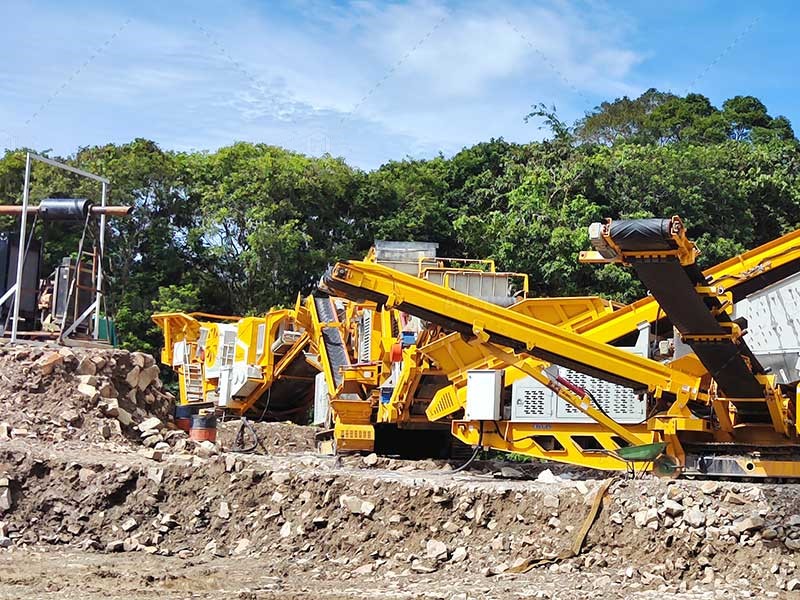
Roads are built in layers. Each layer needs specific aggregate sizes. Base layers need larger stones for strength. Surface layers need finer material for smoothness. Without proper screening, you get mixed sizes. This weakens the structure and raises maintenance needs.
A portable screening plant separates material right after crushing. It ensures each size goes to the right stockpile. This speeds up supply to pavers and reduces waste. On large road jobs, this saves hours of manual sorting.
It also cuts transport by keeping materials close to where they are used.
2. Role in Aggregates Production
Aggregates production involves crushing raw stone into various sizes. Sizing is critical for concrete, asphalt, and drainage layers. A portable screening plant works with crushers to sort output instantly.
This setup allows on-site production of multiple grades. You can supply different customers from one plant. It also supports custom mixes for special projects. In quarries and pits, fast screening means higher daily output.
Producers save time and fuel by removing off-site screening steps.
3. How Portable Screening Plants Work
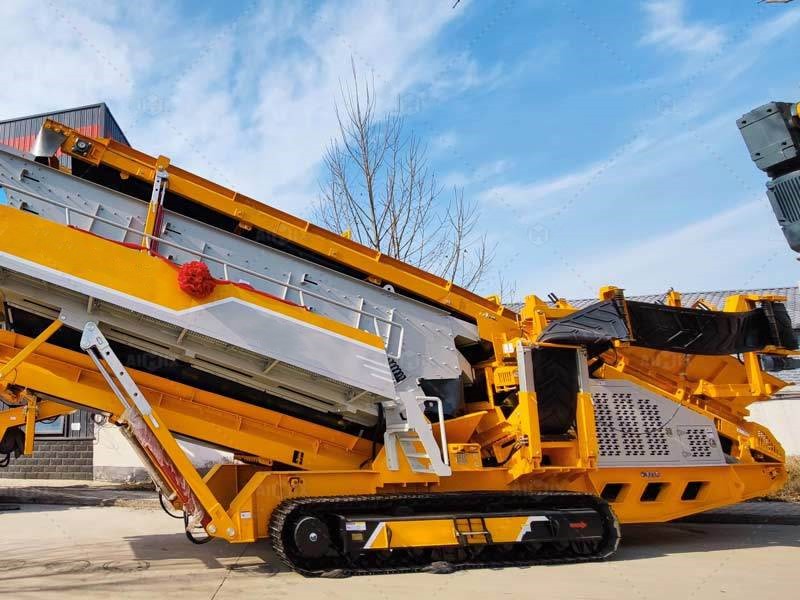
These plants have a vibrating screen deck or series of decks. Material from crushers feeds onto the screen. The screen separates particles by size. Oversize returns to the crusher for further breaking. Desired sizes go to stockpiles or conveyors.
Setups can be wheel-mounted or track-mounted. Track-mounted units reach rough terrain and stay stable on slopes. This is useful in uneven or muddy job sites.
Quick setup and relocation make them practical for changing project zones.
4. Integration With Track Crushers and Jaw Crushers
In many operations, a track crusher or track mounted jaw crusher feeds the screening plant. The jaw crusher breaks large stone into smaller pieces. The screening plant then sorts these into usable sizes.
This combination allows full mobile processing. You crush and screen without moving material far. It suits remote road projects and temporary quarry sites.
Using matched mobile units saves time and keeps output quality steady.
5. Pairing With Mobile Cone Crusher for Sale
A mobile cone crusher for sale often follows jaw or impact crushers. It refines material into fine, uniform aggregates. The cone crusher’s output then goes to a portable screening plant for final sizing.
This chain is common in high-spec road and concrete work. It ensures cubical, well-graded particles. These improve bonding and durability of finished products.
Buying a mobile cone crusher and pairing it with screening boosts flexibility. You can shift both units as the project moves along the road corridor.
6. Advantages in Road Building Projects
Portable screening plants offer several benefits on road jobs. First, they reduce haul distances for aggregates. Second, they let crews adjust mix sizes on the fly. Third, they speed up site cleanup and layer preparation.
They also support recycling. You can screen crushed asphalt or concrete for reuse in base layers. This cuts material cost and supports sustainable construction.
Mobility means you can serve several work sections without moving large static plants.
7. Meeting Russia’s Road Building Needs
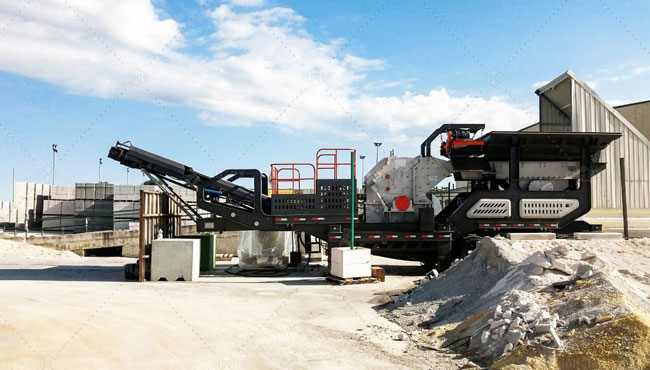
In Russia, road projects span deserts, forests, and frozen zones. Material often comes from local quarries. A portable screening plant processes this material near the site. It avoids long transport in harsh weather.
Winter conditions demand quick setup and teardown. Mobile units with cold-weather kits keep working. Some sites use track mounted jaw crusher units to feed the plant where roads are poor.
Local production and screening mean fewer delays and better use of warm seasons.
8. Key Features to Look For
When choosing a portable screening plant, check screen size and number of decks. More decks give more size separations. Look at capacity to match your crusher output.
Ensure it has adjustable screen angles and variable speed control. This helps handle different materials. Also check mobility type. Track-mounted models offer better grip on soft ground.
Reliable conveyors and easy access for maintenance keep downtime low.
9. Operating and Maintenance Tips
Inspect screen mesh regularly. Worn mesh changes output accuracy. Clean buildup from decks to prevent blinding. Lubricate moving parts as recommended.
Train operators to adjust settings for material changes. Monitor vibration levels to detect imbalance early. Keep spare mesh and motors on hand for quick swaps.
Good care keeps your portable screening plant efficient through the project.
10. Conclusion: Boosting Road and Aggregate Efficiency
Portable screening plants play a key role in road building and aggregates production. They sort material to exact sizes, saving time and improving quality. Paired with track crushers, track mounted jaw crusher, and mobile cone crusher for sale, they form a flexible mobile processing chain.
This setup supports fast, on-site production in remote or changing locations. For road projects and aggregate suppliers, it means lower cost, less waste, and reliable material supply throughout the construction season.