For contractors and project owners in Abuja, choosing the right asphalt plant is crucial for completing highway projects on time and within budget. A 100 TPH stationary asphalt mixing plant is often considered a middle-ground option, balancing investment costs and production capacity. But is it truly sufficient for commercial highway projects in the region? This article explores the key factors to help you make an informed decision.
Understanding 100 TPH Stationary Asphalt Plants
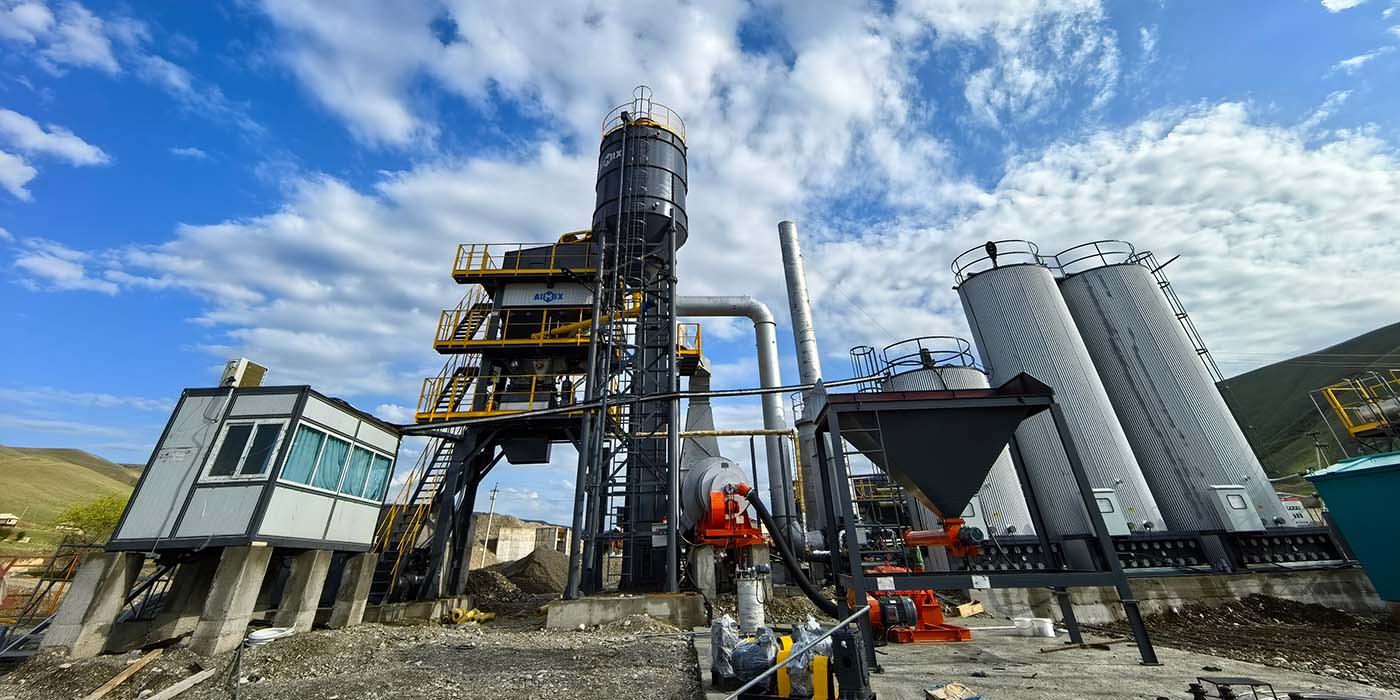
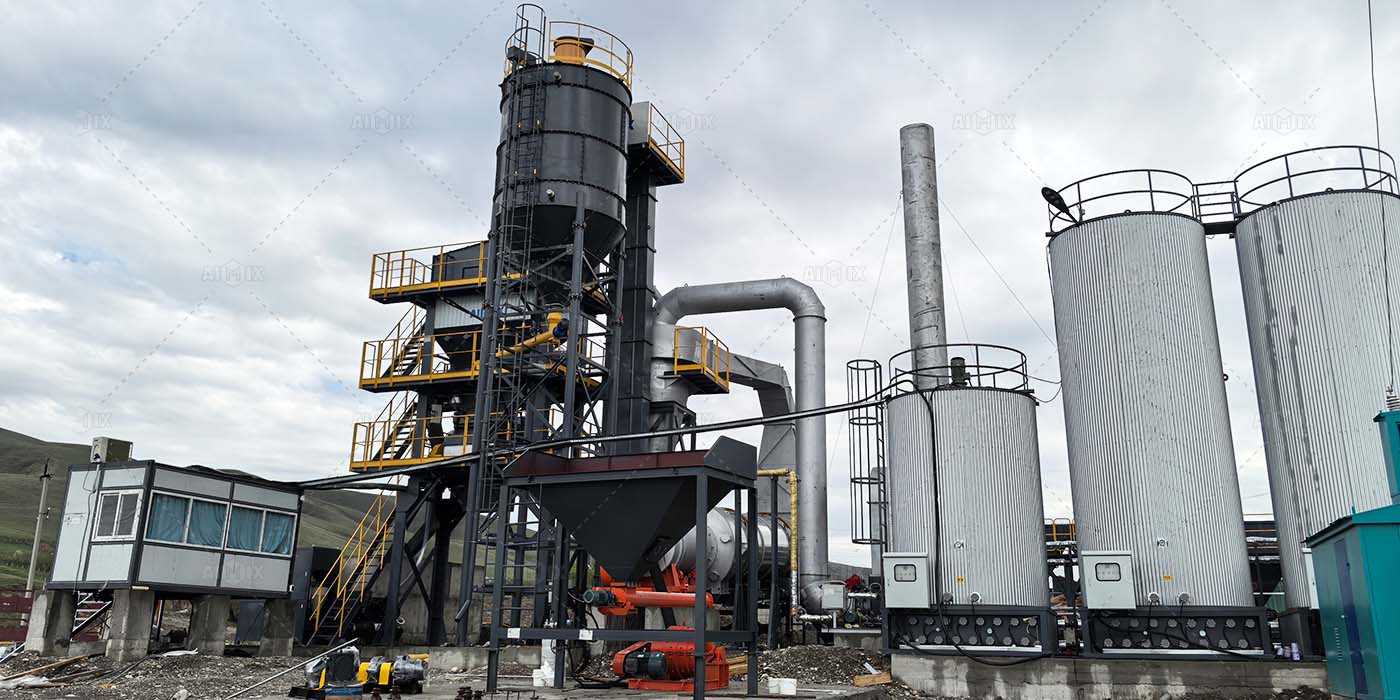
A 100 TPH (tons per hour) stationary asphalt plant is designed for moderate-scale production. It can continuously produce around 100 tons of asphalt mixture per hour, which makes it suitable for a range of commercial and municipal road projects. The “stationary” aspect means that the plant is installed at a fixed site, typically near the construction area, which reduces transportation costs and improves workflow efficiency.
Before investing, it is important to consider the operational requirements of your highway projects. Production capacity alone does not determine efficiency; factors like downtime, maintenance, and labor availability play equally significant roles.
Project Scale and Asphalt Requirements
Commercial highway projects in Abuja vary widely in scale. A single lane highway may require less than 50,000 tons of asphalt over a construction season, while larger multi-lane highways can easily surpass 200,000 tons. On average, a 100 TPH asphalt plant for sale can produce roughly 800 tons per 8-hour working day. Based on these numbers, a project requiring 50,000 tons would take approximately 62–63 working days.
Understanding these calculations helps contractors determine whether a 100 TPH plant aligns with project deadlines. For smaller highways or road repair projects, this capacity is usually sufficient. However, for large multi-lane projects with tight timelines, additional strategies may be needed.
Advantages of Using a 100 TPH Asphalt Plant
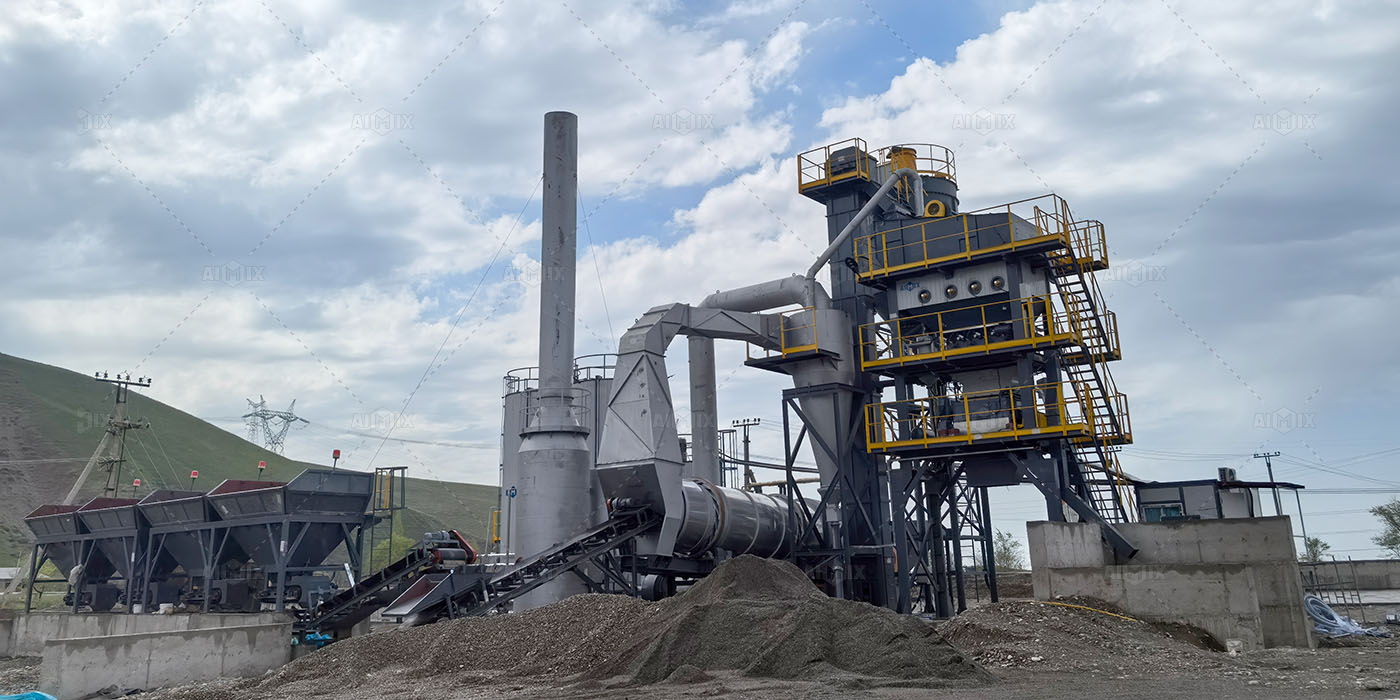
Investing in a 100 TPH stationary asphalt plant offers several benefits for contractors in Abuja:
Lower Initial Investment
Compared with higher-capacity plants, a 100 TPH plant requires a smaller upfront investment. This is especially valuable for mid-sized contractors or companies entering the highway construction market.
Reduced Operational Costs
Operating costs, including energy consumption and labor, are lower than with 160 TPH or 200 TPH plants. This can translate into better cost control and higher project profitability.
Flexibility in Project Deployment
A 100 TPH hot mix asphalt plant for sale can handle multiple small to medium projects without excessive idle time. Contractors can schedule projects more flexibly and adjust production based on project demands.
Despite these advantages, it is essential to analyze whether this plant meets the specific needs of your highway projects. A careful assessment ensures that production efficiency and timelines are not compromised.
Limitations to Consider
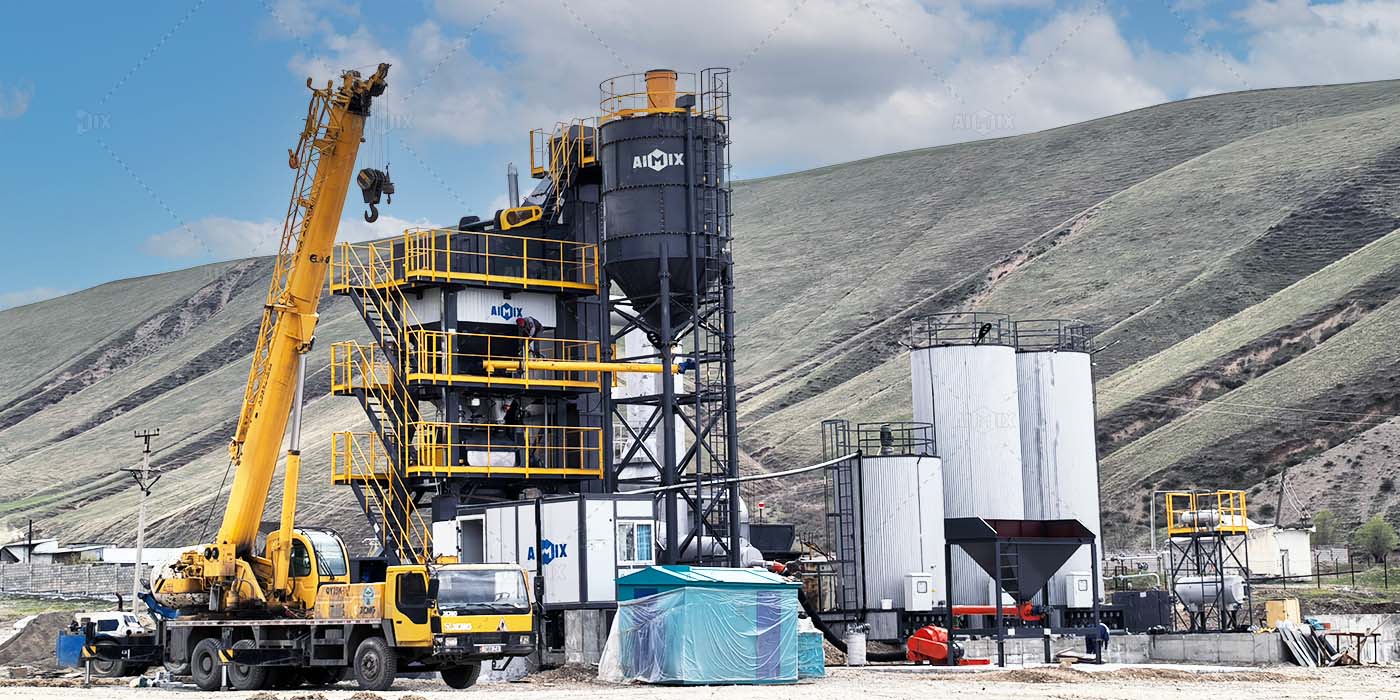
While a 100 TPH plant has clear benefits, certain limitations may affect project outcomes. Contractors should consider these factors before making a purchase decision:
Time Constraints for Large Projects
For multi-lane commercial highways exceeding 150,000 tons of asphalt, a 100 TPH plant may struggle to meet tight project schedules. This could lead to delays if the plant is the sole production source.
Dependence on Continuous Operation
To achieve expected output, the plant must operate continuously. Any downtime due to maintenance or technical issues can impact overall project timelines.
Limited Scalability
As your business grows or projects become larger, a 100 TPH plant may not suffice for future demands. Planning for expansion or backup production strategies is recommended.
Considering these limitations allows contractors to proactively plan solutions and avoid costly delays.
Real-World Considerations in Abuja
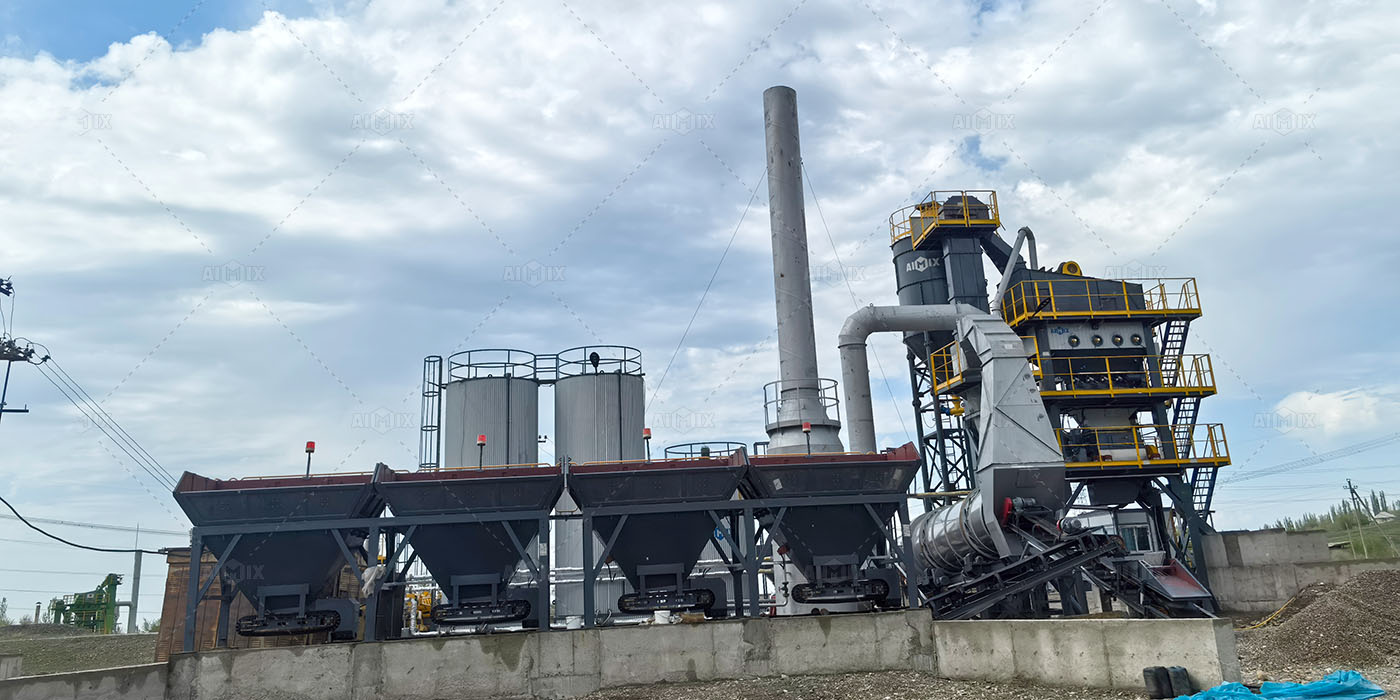
Abuja’s commercial highway projects often face unique challenges, such as seasonal rains, fluctuating demand, and labor availability. A 100 TPH plant can perform efficiently if these factors are well managed:
Material Supply
Reliable access to aggregates, bitumen, and filler materials is critical. A stationary plant’s proximity to suppliers can reduce downtime and transportation costs.
Local Workforce
Operating a stationary asphalt plant requires skilled operators and maintenance personnel. Investing in training ensures consistent output and reduces technical downtime.
Project Scheduling
Staggering multiple smaller projects rather than one massive project can maximize a 100 TPH plant’s efficiency. Contractors in Abuja often use this approach to balance workload and meet deadlines effectively.
By factoring in these practical considerations, contractors can optimize plant performance and ensure successful project delivery.
Optimizing Plant Performance
Even with a 100 TPH asphalt plant, there are strategies to maximize efficiency:
Regular Maintenance
Scheduled maintenance prevents unexpected breakdowns. Inspecting burners, mixers, and conveyors regularly reduces downtime and prolongs equipment life.
Efficient Material Handling
Streamlining the supply chain ensures a steady flow of aggregates and bitumen. Using nearby storage facilities and coordinating deliveries minimizes idle time.
Smart Project Planning
Aligning plant capacity with project timelines prevents overloading the production line. Using software to plan asphalt batches and deliveries improves workflow and reduces bottlenecks.
Implementing these practices allows contractors to achieve the full potential of a 100 TPH asphalt plant.
When To Consider a Higher Capacity Plant
In certain scenarios, a 100 TPH plant may not be sufficient. Contractors should consider higher-capacity plants when:
- Projects involve multiple lanes exceeding 200,000 tons of asphalt within a single construction season.
- Project deadlines are extremely tight and cannot accommodate daily production limits.
- The company anticipates rapid business expansion or larger future projects.
In such cases, investing in a 160 TPH or 200 TPH plant may yield better ROI and reduce project risk.
Conclusion: Making an Informed Decision
A 100 TPH stationary asphalt plant can be sufficient for many commercial highway projects in Abuja, particularly mid-sized roads and municipal projects. Its advantages include lower investment, reduced operational costs, and flexible deployment. However, contractors must evaluate project size, deadlines, and material supply to ensure it meets their needs.
Ultimately, the decision should be based on a thorough analysis of your project requirements, anticipated workload, and long-term business goals. Proper planning, maintenance, and workflow management can make a 100 TPH plant a reliable choice for many contractors.
Call To Action
If you are considering a 100 TPH stationary asphalt plant for your Abuja highway projects, it is essential to consult with experienced suppliers and assess your project needs carefully. Choosing the right plant can save time, reduce costs, and improve your project efficiency. Contact our team today to discuss your requirements and find the best asphalt plant solution for your commercial highway projects.