Concrete pump trucks are indispensable equipment in South Africa’s construction industry, supporting projects from urban high-rises to rural infrastructure. Size is a core factor determining concrete pump truck price in South Africa, as it directly affects production costs, technical complexity, market demand adaptation, and long-term operational expenses. The price gap between a mini concrete pump truck and a large-scale model can be significant, with size exerting a multi-dimensional impact on the final pricing set by suppliers and accepted by local buyers.
Size-Driven Production and Component Costs
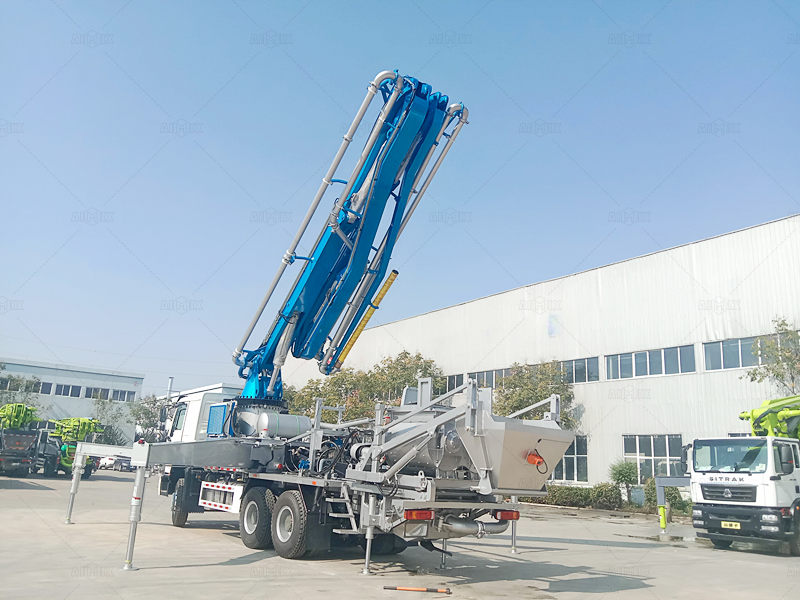
The size of a concrete pump truck directly dictates the cost of concrete pump production, which is ultimately reflected in the concrete pump truck price in South Africa. For mini concrete pump trucks—typically with arm lengths of 21 to 28 meters and compact chassis—the production cost is relatively low due to reduced material and component requirements. These models use smaller quantities of high-strength steel (a key material for pump arms, requiring strength above 600 MPa to withstand pumping pressure) and compact hydraulic systems, lowering raw material and core component expenses. In contrast, large concrete pump trucks with arm lengths of 47 meters or more demand extended, multi-section arms made of ultra-high-strength steel, which is not only more expensive but also requires precision manufacturing to ensure stability at height. The hydraulic system of large models must deliver higher pressure and flow to drive longer arms and handle larger concrete volumes, necessitating high-performance pumps and motors that significantly increase component costs. For example, the cost of a 56-meter pump truck’s hydraulic system alone can be three times that of a mini concrete pump truck. In South Africa, where most concrete pump trucks are imported, these size-related production cost differences are amplified by shipping fees—larger models require more space and specialized transportation, further widening the price gap between mini and large trucks in the local market.
Technical Complexity and Manufacturing Difficulty
As the size of a concrete pump truck increases, its technical complexity and manufacturing difficulty rise exponentially, adding a premium to the concrete pump truck price in South Africa. Mini concrete pump trucks feature simplified designs with fewer arm sections (usually 3 to 4 sections) and basic control systems, making them easier to produce with lower R&D and assembly costs. These models are often mass-produced, leveraging economies of scale to reduce unit prices. Large pump trucks, however, require advanced engineering solutions such as bionic arm designs to enhance stability and reach, as seen in 47-meter models with 5-section arms that boost clothing range by 20%. The control system of large trucks must integrate precision sensors and intelligent algorithms to manage arm movement, pressure regulation, and collision avoidance, requiring substantial R&D investment. This technical complexity translates to higher manufacturing costs, which are passed on to buyers. In South Africa, where technical expertise for large-scale equipment is limited, suppliers often charge an additional premium to cover the cost of importing advanced technology and providing technical support, making large-size models significantly more expensive than mini concrete pump trucks.
Market Demand Adaptation and Pricing Power
Size influences concrete pump truck price in South Africa by shaping market demand adaptation, giving suppliers varying pricing power for different size categories. Mini concrete pump trucks are highly sought after in South Africa’s rural and suburban areas, where construction projects are small-scale (such as residential buildings, rural roads, and small commercial structures) and work sites are often narrow or inaccessible to large equipment. The strong demand for mini models, coupled with lower production costs, positions them as cost-effective options with stable pricing—concrete pump truck price for mini models in South Africa typically ranges from ZAR 800,000 to ZAR 1.5 million. Large concrete pump trucks, by contrast, target large-scale infrastructure projects (such as highways, bridges, and high-rise buildings) concentrated in urban centers like Johannesburg and Cape Town. While the demand for large models is less frequent, it is more urgent for high-value projects, allowing suppliers to set higher prices due to limited competition and specialized functionality. A 47-meter large pump truck can cost between ZAR 3 million and ZAR 5 million in South Africa, with 56-meter models exceeding ZAR 6 million. Additionally, the scarcity of large models in the local market—due to high import costs and lower demand volume—further strengthens suppliers’ pricing power for larger sizes.
Operational and Maintenance Cost Implications
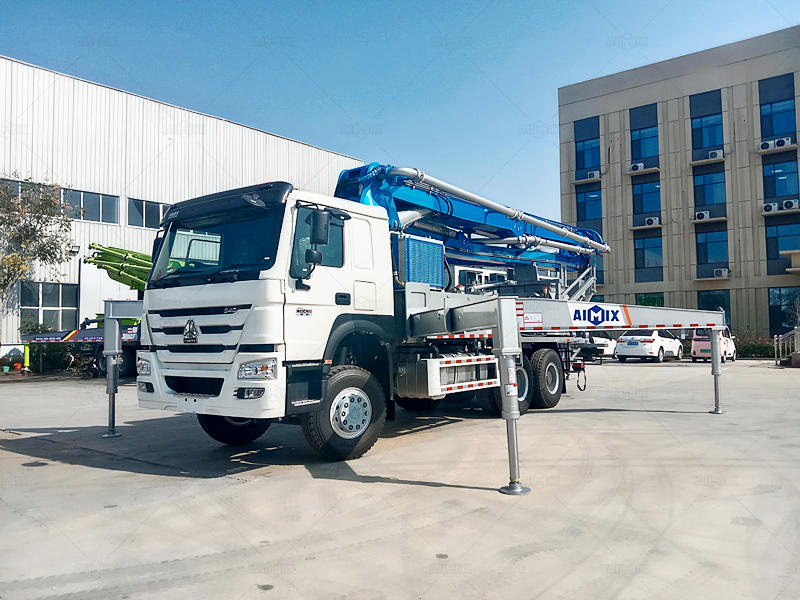
The size of a concrete pump truck affects long-term operational and maintenance costs, which indirectly influence the initial concrete pump truck price in South Africa. Mini concrete pump trucks have lower cost of concrete pump operation and maintenance: they consume less fuel (typically 8 to 12 liters per hour compared to 20+ liters for large models), require smaller quantities of hydraulic oil and spare parts (such as pump tubes and pistons), and have lower depreciation rates due to simpler structures. For South African construction companies operating on tight budgets, these cost savings make mini models more attractive, and suppliers often price them competitively to highlight their total cost of ownership advantage. Large concrete pump trucks, however, incur higher operational expenses—annual maintenance costs for a 49-meter model can include ZAR 150,000 for pump tube replacements, ZAR 120,000 for hydraulic system maintenance, and substantial fuel costs. While these long-term costs are borne by the buyer, suppliers factor in the perceived value of large models (higher productivity and project adaptability) when setting prices, justifying the premium. In South Africa, where large projects often have higher profit margins, buyers are willing to pay more upfront for large pump trucks to meet project requirements, despite higher ongoing costs.
Import Logistics and Policy-Related Price Adjustments
Size-driven differences in import logistics and policy compliance further modify the concrete pump truck price in South Africa. Mini concrete pump trucks are easier to transport via sea freight (fitting into standard containers or requiring less deck space on bulk carriers) and incur lower shipping and handling fees. They also comply more easily with South Africa’s road transportation regulations, which have strict limits on vehicle length, width, and weight, reducing the need for special permits or modifications. Large concrete pump trucks, by contrast, require specialized shipping (such as flatbed containers or breakbulk cargo), with shipping costs that can be 2 to 3 times higher than those for mini models. Additionally, large models may need modifications to meet South African road safety standards (such as additional lighting or braking systems), adding to import costs. While South Africa offers tax exemptions for capital goods like construction equipment, the higher declared value of large pump trucks results in higher VAT and customs-related expenses, which are incorporated into the final price. These logistics and policy factors widen the price gap between mini and large concrete pump trucks in the local market, with size being a primary driver of import cost differences.
In summary, size influences concrete pump truck price in South Africa through production costs, technical complexity, market demand, operational expenses, and import logistics. Mini concrete pump trucks offer affordability due to lower material and operational costs, while large models command a premium for their advanced technology and project adaptability. Understanding these size-driven price dynamics helps South African buyers make informed procurement decisions aligned with their project needs and budget constraints.