A construction revolution is sweeping across Latin America, driven by unprecedented investment in roads, ports, energy grids, and urban centers. This acceleration is not merely a cyclical uptick but a structural shift, fueled by public-private partnerships, demographic pressures, and a pressing need to close a historic infrastructure gap. At the core of this cement-and-rebar transformation is an essential industrial asset: the concrete batching plant. The unique challenges of the continent’s geography and project diversity are sculpting a dynamic market, creating distinct and lucrative opportunities for suppliers of both stationary and mobile mixing solutions.
The Engine of Growth: Why Infrastructure is Booming
The momentum behind Latin America’s build-out is robust and multi-faceted. Post-pandemic recovery plans have heavily prioritized infrastructure as a catalyst for economic growth and job creation. Furthermore, trade dynamics and the need for regional integration are pushing for modernized logistics corridors. The region’s vast mineral wealth continues to necessitate industrial-scale support infrastructure, while rapid urbanization demands everything from new housing to upgraded water systems. This confluence of factors ensures a sustained, long-term demand for reliable, high-volume concrete production.
Public-Private Partnerships (PPPs) as a Catalyst
Governments are increasingly leveraging PPP frameworks to de-risk large projects and attract international capital. This model has unlocked multi-billion-dollar investments in highways, airports, and utilities, providing the stable, multi-year contracts that justify significant capital expenditure on production facilities. For a concrete plant(planta de concreto) supplier, this means clients with strong financial backing and a clear need for high-capacity, reliable equipment to meet strict project timelines.
Addressing the Urban and Housing Deficit
With over 80% of the population living in cities, the pressure on housing, public transport, and services is intense. National housing deficit programs and private high-rise developments create a constant, decentralized demand for ready-mix concrete. This fuels the need for strategically located batching plants within metropolitan areas and their expanding suburbs, where consistent quality and timely delivery are paramount.
Emerging Opportunities: Tailoring Solutions to Market Needs
The diversity of Latin American infrastructure projects means a one-size-fits-all approach to concrete production is obsolete. The market is segmenting, creating specific niches for different plant technologies.
The Strategic Advantage of the Mobile Concrete Plant
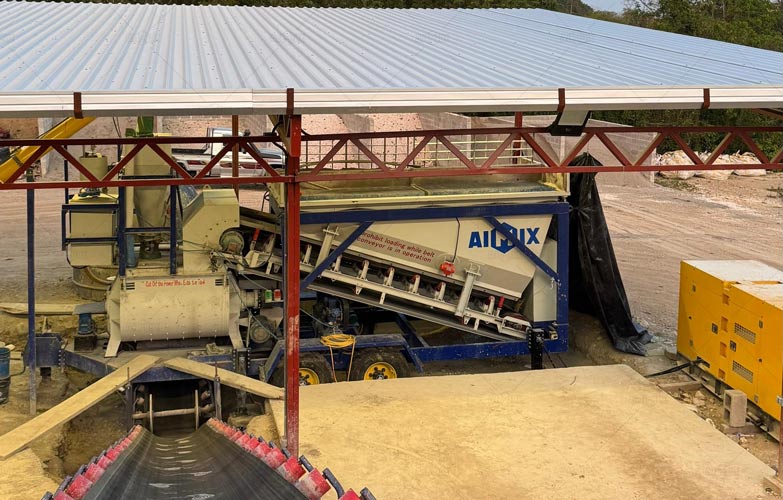
Perhaps the most significant opportunity lies with the versatile mobile concrete plant(planta de concreto móvil). Its inherent flexibility is perfectly suited to the region’s signature projects: long linear developments like cross-country highways and railways, remote mining and energy installations, and disaster recovery efforts. The ability to relocate the entire production facility as the project advances eliminates the astronomical cost and quality degradation associated with long-distance transit mixing. This is crucial in regions with difficult terrain or where infrastructure itself is being built from scratch. A mobile concrete plant offers a turnkey solution, reducing setup time, minimizing ground footprint, and providing a self-contained production hub.
Modernization of Fixed Stationary Plants
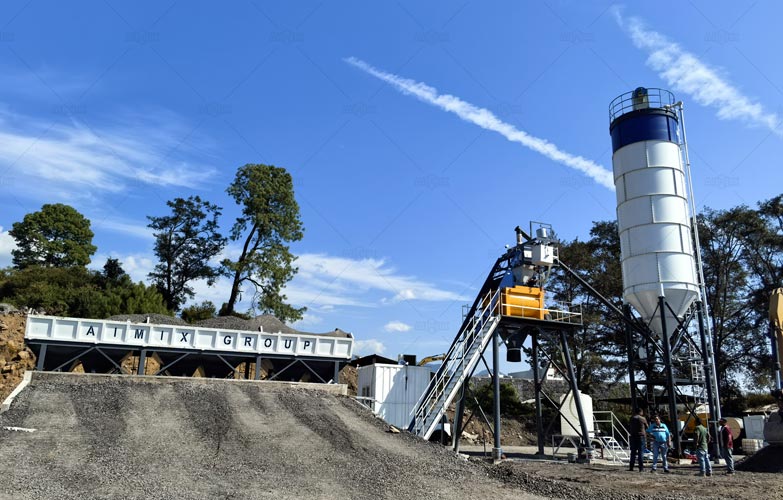
Major urban hubs and dedicated industrial clusters remain the domain of high-output stationary plants. The opportunity here is twofold: supplying new, fully automated plants and modernizing existing ones. New plants equipped with advanced computerized control systems, precise weighing and batching capabilities, and superior dust collection and water recycling systems are in demand as environmental regulations tighten. There is also a robust market for retrofitting older facilities to improve efficiency, reduce waste, and meet new emission standards, extending their operational life and profitability.
Regional Focus: Peru and Chile as Case Studies
While growth is widespread, examining specific markets reveals how these trends manifest on the ground.
Concrete Plant Peru: A Dual-Speed Economy
Peru’s landscape is defined by its rich mining sector in the Andes and its sprawling capital on the coast. This creates two parallel demand streams. For a concrete plant Peru(planta de concreto Perú) focused on mining, the solution is almost invariably a rugged, containerized or trailer-mounted mobile concrete plant that can operate at high altitudes and produce the specialized mixes needed for tailings dams and processing facilities. Conversely, Lima’s endless growth—from skyscrapers in San Isidro to massive housing projects in the outskirts—requires high-volume stationary plants. Additionally, Peru’s extensive pipeline of port modernization and irrigation projects adds further layers of demand for both mobile and fixed solutions.
Concrete Plant in Chile: Precision and Resilience
Chile presents a mature market with a strong emphasis on technology, sustainability, and regulatory compliance. A concrete plant in Chile servicing the booming renewable energy sector—building foundations for solar farms in the Atacama or wind farms in the south—must be mobile and resilient. Meanwhile, the country’s relentless drive to improve export infrastructure, such as port expansions in Valparaíso and San Antonio, demands large-scale stationary plants. Chile’s strict seismic codes and environmental laws also mean that any plant, mobile or stationary, must incorporate advanced engineering and control systems, creating a premium market for high-tech suppliers.
Future-Proofing for Success: Beyond the Sale
Capitalizing on this boom requires a strategy that looks beyond the initial equipment transaction. The competitive landscape will be won by those who provide holistic value.
- Embracing Sustainability: The next generation of plants will need to efficiently handle alternative cementitious materials, recycled aggregates, and rainwater harvesting systems.
- Digital Integration and IoT: Offering plants with remote monitoring, predictive maintenance alerts, and automated production data logging is becoming a standard expectation, maximizing uptime and providing transparency for project managers.
- The Service Imperative: Given the often-remote locations and critical project timelines, an unparalleled after-sales service network is the ultimate differentiator. This includes readily available spare parts inventories across the region, local technical training, and rapid-response maintenance teams. The ability to provide comprehensive support can outweigh a marginal difference in initial price.
Conclusion: Building the Foundation for a New Era
Latin America’s infrastructure development is entering a sustained phase of acceleration, moving from ambition to poured concrete. This creates a foundational opportunity for the concrete batching plant industry that is both vast and nuanced. The winning formula involves providing the right technological solution for the right context—the agility of a mobile concrete plant for a remote hydroelectric project, the relentless output of a modernized concrete plant Peru relies on for its urban growth, or the precision-engineered concrete plant in Chile(plantas hormigoneras en Chile) that meets the world’s toughest standards. As the region builds its future, the companies that supply the means of production will be integral partners in its transformation, one cubic meter at a time.